
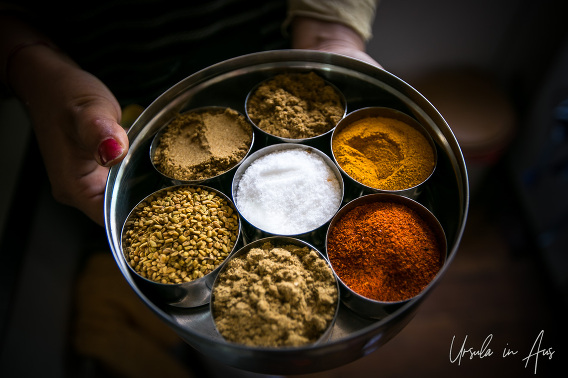
Nepali cooking is known for its deep, comforting flavors built from a small but powerful set of spices and ingredients. Whether you cook dal bhat every day or prepare special dishes like momo, achar, or tarkari on weekends, having the right Nepali pantry essentials at home makes all the difference.
This guide covers the most popular Nepali spices and ingredients that almost every Nepali household stocks — especially useful for families and students living in Australia who want authentic taste without compromise. For those who seek the best, visiting a nepali grocery store can provide more options and flavors. A well-stocked nepali grocery can elevate your cooking experience significantly.
Essential Nepali Spices Every Home Needs
1. Timur (Nepali Sichuan Pepper)
Timur has a citrusy aroma with a mild numbing effect and is widely used in:
- Achar (pickles)
- Chutneys
- Fried snacks
- Meat dishes
It adds a uniquely Nepali flavor that regular pepper cannot replace.
2. Jimbu
Jimbu is a dried Himalayan herb, commonly tempering dal and beans. It provides a smoky, onion-garlic-like aroma and is especially popular in:
- Dal
- Gundruk ko jhol
- Lentil soups
A little goes a long way, making it a must-have.
3. Dhaniya (Coriander Seeds)
Coriander seeds are a foundation spice in Nepali kitchens. They are used whole or ground in:
- Curry bases
- Tarkari
- Masala blends
Freshly ground dhaniya gives dishes a warm and earthy balance.
4. Jeera (Cumin Seeds)
Jeera is essential for tadka (tempering) and adds depth to:
- Dal
- Rice dishes
- Vegetable curries
It enhances digestion and aroma, making it both flavorful and functional.
5. Besar (Turmeric Powder)
Turmeric is used daily in Nepali cooking for:
- Curries
- Rice
- Vegetables
- Pickles
Beyond color and flavor, it is valued for its natural health benefits.
6. Khursani (Dried Red Chilies)
Nepali food can be mild or fiery depending on taste. Dried red chilies are used to:
- Adjust heat level
- Add smokiness
- Make homemade chili paste
Most households keep both whole chilies and chili powder.
7. Methi (Fenugreek Seeds)
Methi seeds are commonly used in:
- Pickles
- Oil tempering
- Bitter flavor balancing
When lightly fried, they release a rich aroma that defines Nepali achar.
Popular Nepali Ingredients (Beyond Spices)
8. Gundruk
Gundruk is fermented leafy greens, deeply rooted in Nepali food culture. It’s used in:
- Soups
- Side dishes
- Pickles
It offers a tangy flavor and is rich in nutrients.
9. Bhatmas (Soybeans)
Bhatmas is often roasted and used in:
- Achar
- Snacks
- Salad-style sides
It adds crunch, protein, and traditional taste.
10. Nepali Rice Varieties
Rice is central to Nepali meals. Common choices include:
- Medium-grain rice for daily meals
- Basmati for special occasions
- Local Nepali-style rice when available
Stocking quality rice ensures authentic dal bhat at home.
11. Lentils (Dal)
Different types of dal are used depending on the dish:
- Masoor dal
- Moong dal
- Toor dal
- Chana dal
Each has its own flavor and cooking style.
12. Mustard Oil
Mustard oil is widely used for:
- Pickles
- Frying
- Flavoring curries
Its strong aroma is a signature of traditional Nepali cooking.
Tips for Stocking Nepali Spices at Home (Australia)
- Store spices in airtight containers
- Buy small quantities of strong spices like timur and jimbu
- Keep whole spices and grind when needed for better aroma
- Choose trusted Nepali grocery sources for authenticity
Many Nepali households now prefer buying these essentials online for convenience, especially when local stores are far or time is limited.
Bringing It All Together
Having the right Nepali spices and ingredients at home means you can cook comforting, authentic meals anytime — without relying on substitutes that change the taste.
If you’re building your pantry from scratch or restocking essentials, focus on these core items first. They form the backbone of Nepali cuisine and allow you to prepare dozens of traditional dishes with ease.
As online Nepali grocery platforms continue to grow, many households are choosing reliable services that make sourcing these ingredients simpler and more consistent — especially for busy students and families.